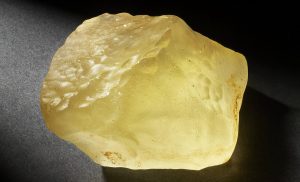
Citrine is a popular yellow quartz gemstone that is highly sought after for its bright color and metaphysical properties. But like other precious gems, citrine can vary greatly in price depending on factors like quality, size, treatments, and source location. Here is an overview of typical citrine stone pricing so you know what to expect when shopping for this sunny jewel.
Quality
The most important factor affecting citrine's price is quality. Natural citrine without treatments or enhancements is rare, so flawless stones with a rich, intense yellow to orange-yellow color command premium prices. The more eye-clean and transparent a citrine is, the higher its market value. Inclusions, cloudiness, and pale yellow hues lower perceived quality and therefore price. Top-grade citrine can cost over $100 per carat. Commercial-grade material with more flaws and dullness can cost as little as $5 per carat.
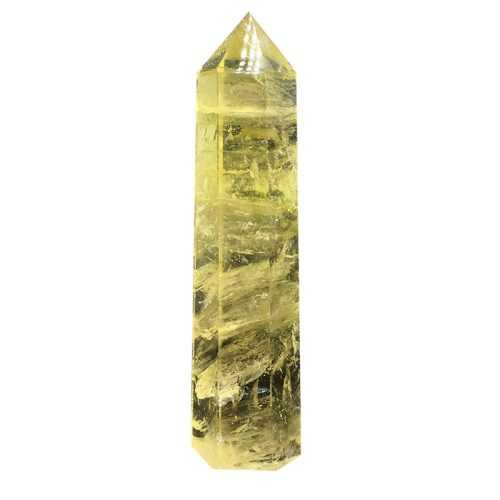
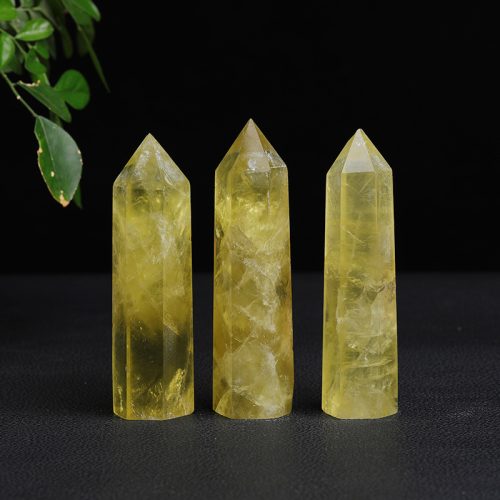
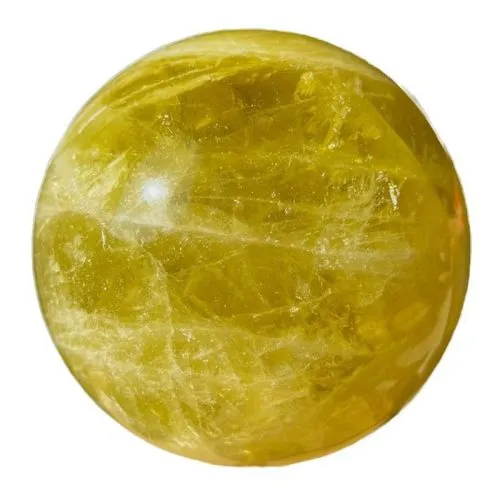
Size
Larger citrine stones are exponentially more rare and valuable. Premium quality citrine over 5 carats may run into the thousands per carat. More commonly sized gems under 2 carats are often just $50-100 per carat for nice material. Factors like cut quality also interact with size in determining price per carat. Well-cut citrine maximizes perceived size and sparkle versus poorly cut gems.
Treatments
Much of the citrine on the market has been treated to enhance its color, most commonly through heat enhancement which permanently modifies the gem's molecular structure. Natural untreated citrine commands a significant premium over treated material. Other enhancements like irradiation are also used to alter the yellow color. Treatment should always be disclosed and affects value.
Source
The source mine of citrine plays a role in pricing. Certain localities like Brazil and Zambia are prized for producing gems with exceptional color and clarity. The most sought-after citrine comes from Rio Grande do Sul in Brazil. Its vibrant yellow-orange hues contrast with citrine from other sources. Rare natural citrine from classic localities carries prestige.


With so many variables affecting the value of citrine, it pays to have an independent appraisal when purchasing high-end pieces. An appraiser can verify authenticity and assign a fair market price for insurance purposes. For jewelry-grade citrine, expect to pay in the range of $50 to $500 per carat, with the finest museum-quality pieces exceeding $1,000 per carat. With its sunny vibe and relative affordability, citrine presents an appealing option among colored gemstones.