Petrified wood can maintain the original wood's shape, structure, and even details like bark and growth rings. Learning to identify petrified wood takes some knowledge of geology and wood anatomy. Here are some tips for identifying petrified wood:
Look at the Texture and Structure
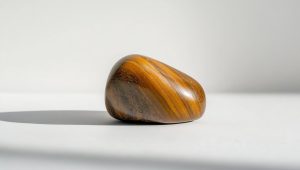
Examine the surface of the specimen closely. Petrified wood often shows the grain, knots, rings, and other textures of the original wood. Look for mineral crystals in the grain or bark patterns. You may see rounded knot-like shapes or long parallel lines running through the stone, just as in natural wood.
Check for Cellular Structure
Use a magnifying glass or microscope to look even closer at the stone. Petrified wood preserves the microscopic wood cell structure, so you should see orderly patterns from the original xylem and other tissues. Real petrified wood won't be homogenous throughout but will show banding from the wood cells.
Do the Acid Test
Get some dilute hydrochloric acid (muriatic acid) and apply a drop to an inconspicuous spot on the specimen. If it fizzes or bubbles, it's likely a carbonate mineral rather than petrified wood. Real petrified wood is composed of silica minerals like quartz and will not react to the acid.
Consider the Weight
Petrified wood is composed of dense minerals that often make it weigh more than natural wood. Heft the specimen in your hand and compare to a similar sized piece of dry wood. If the specimen is significantly heavier, it's a good sign it's petrified wood.
Check for Mineral Replacement
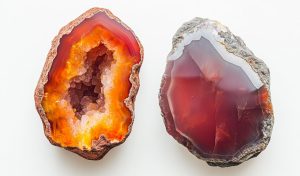
Examine the colors and textures closely. Petrified wood often shows beautiful preservation where the original organic compounds have been replaced by minerals. You may see quartz, calcite, pyrite, or other crystals in the wood grain. Samples may take on agate-like banding or interesting colors from trace minerals.
Look at the Surroundings
Petrified wood is only found in very specific geologic environments, usually volcanic ash beds or sedimentary settings. Examine where the specimen was found. If it did not come from fossil-bearing sediments, it's less likely to be real petrified wood. Ask the collector details about the location where it was collected.
Get an Expert Opinion
When in doubt, ask an expert! If you can't confidently identify the specimen yourself, take it to your local museum, university, or reputable collector to get their opinion. Petrified wood is one of the most frequently faked and altered collectors' items, so don't purchase expensive samples without reliable authentication. With practice, knowledge, and an expert eye, you'll be able to confidently identify genuine petrified wood.