In recent years, agate has become a trendy option for kitchen and bathroom countertops. But is this semi-precious gemstone really suitable for heavy daily use in the home? Here are the pros and cons of using agate countertops to help you decide if it's the right choice for your space.
Pros of Agate Countertops
Visually Striking
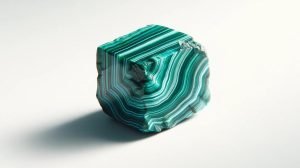
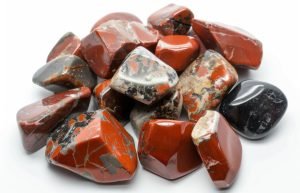
Agate has beautiful banding patterns and color variations that add visual interest to any space. The swirling mixes of reds, browns, grays, and whites give each piece of agate a one-of-a-kind look. Using agate for a countertop can elevate the design and give your kitchen or bathroom an artsy, high-end style.
Durable
While not as hard as granite, agate is still relatively durable at a Mohs hardness rating of 6 to 7. This means it can stand up to daily use, cutting, hot pots and pans, and exposure to water. Agate countertops can last for many years with proper care and maintenance. The smooth polished finish also resists staining and is easy to clean.



Low Maintenance
Unlike some natural stone countertops, agate does not require regular sealing to prevent stains and etching. It's also scratch resistant so day-to-day use is unlikely to damage the surface. Simple cleaning with soap and water is all that's needed to keep agate counters looking like new.
Cons of Agate Countertops
Expensive
Agate is rarer and more labor intensive to cut and polish compared to other natural stone countertop materials. The intricate banding patterns also mean no two pieces are alike, so matching slabs can be difficult. This all leads to agate being one of the more expensive options for countertops.
Vulnerable to Impact
While agate is durable for everyday use, significant impact can cause chips, cracks, or scratches in the surface. Dropping heavy objects on an agate countertop or harsh scrubbing can damage the material. Homeowners with young children or very active kitchens may want to consider a more impact-resistant option.
Limited Selection
There are not as many color variations and stone supply for agate compared to other stones like granite or marble. Finding enough slabs for a large kitchen or matching pieces for multiple bathrooms may be difficult. The available inventory is largely dependent on what the current agate stone quarries are producing.
Difficult to Repair
If an agate countertop does happen to chip or crack, repairs can be tricky. The unique banding patterns mean a patched section may not blend in seamlessly. Unlike other natural stones, no two pieces of agate will be exactly the same. Repairing any damage may require replacing the entire slab.

Overall, agate can make a beautiful, durable, and low maintenance countertop with a style all its own. But the rarity and expense of the material along with concerns about repairs may make some homeowners think twice. Consider your lifestyle, budget, and design goals carefully when deciding if agate counters are right for your next kitchen or bath remodel. With proper care, however, agate can be a stunning addition that will last for decades.