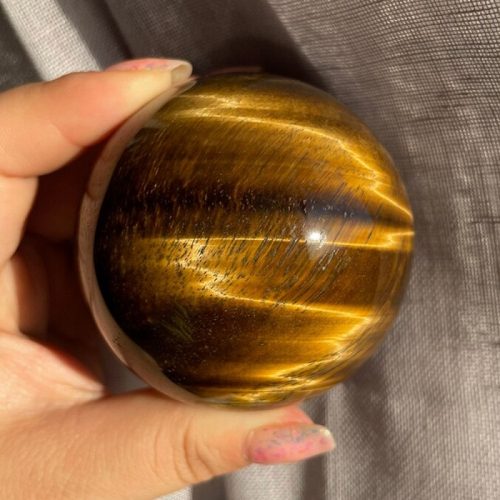
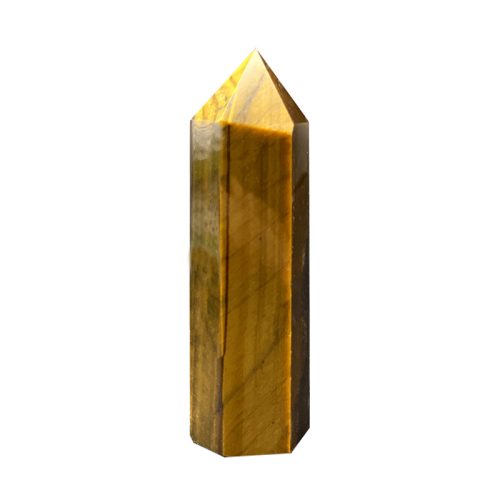
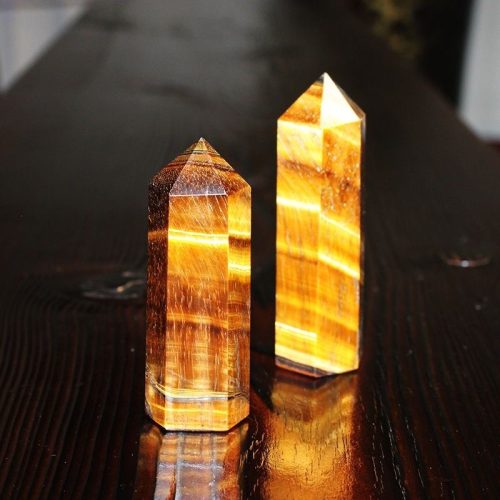
Tigers eye most commonly has golden brown and yellow hues, which is how it got its name – the stone resembles the eye of a tiger. However, there are also rarer varieties of tigers eye that come in red, blue, and green shades. So are these colorful tigers eye gems just as natural as the classic golden brown ones?
The typical golden brown tigers eye is formed through the natural alteration of crocidolite. Crocidolite is a fibrous blue asbestos mineral that oxidizes over time, causing it to change color from blue to yellow or brown. The oxidation process breaks down the original asbestos fibers and replaces them with fibers of quartz, creating the banded, silky appearance of tigers eye.
The formation process of red and blue tigers eye is essentially the same. The difference lies in the original minerals that undergo alteration.



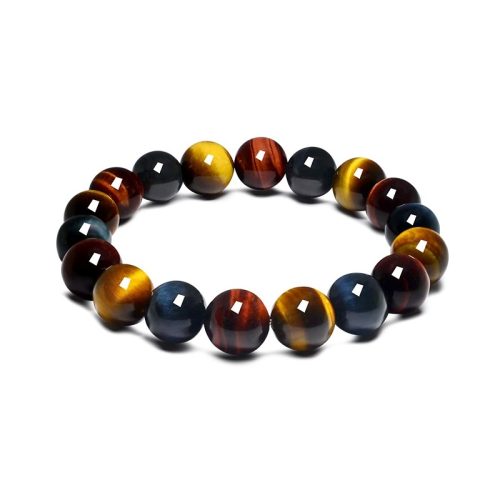

Red tigers eye forms through the oxidation of hawk's eye, a fibrous red jasper variety of quartz. Natural chemical changes transform the red jasper into red tigers eye over long periods of time. This produces a stone with bands of shimmery, ruby-like color.
Blue tigers eye begins as bundles of crocidolite fibers tinted blue instead of the more common green shades. The crocidolite undergoes the same oxidation process, but the original blue color is retained instead of turning yellow or brown.
So in short, yes – red and blue tigers eye are just as natural as the golden brown variety. The vibrant colors are not caused by artificial treatment or dyeing. Red tigers eye derives its color from original red jasper while blue tigers eye keeps its shade from the rare blue crocidolite asbestos fibers. They undergo the same complex geologic processes that create golden brown tigers eye.
However, red and blue tigers eye are much rarer than the golden variety. Their source minerals, blue crocidolite and red jasper, are less common. This makes them more valued by collectors and buyers. A high quality cabochon of blue or red tigers eye will have bright, eye-catching bands of color with a silky chatoyance.


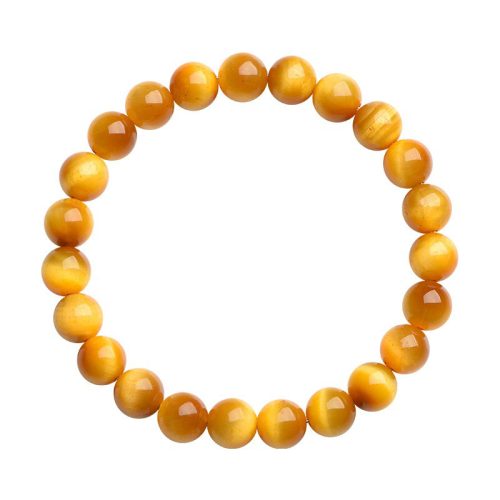



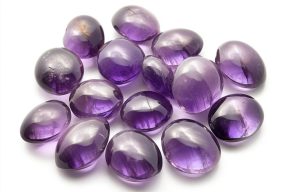
Tigers eye also occasionally occurs in green and purple shades when other mineral impurities are present during the alteration process. But the red and blue varieties are the most prized and sought-after. They have the same stunning cat's eye effect but with a more unusual hue. So while all natural tigers eye is beautiful, the vibrant red and blue types stand out as exceptionally rare and unique.