Amethyst and ametrine are two popular gemstones that are quite similar in appearance but have some key differences. Both stones display a mix of purple and yellow hues, leading some people to confuse them or think they are the same. However, amethyst and ametrine have distinct compositions, formations, and properties that set them apart.
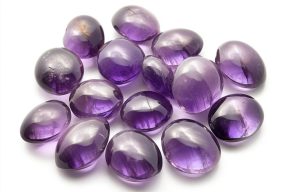
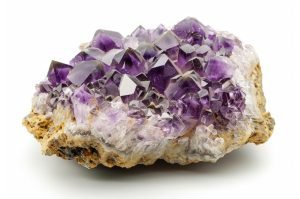
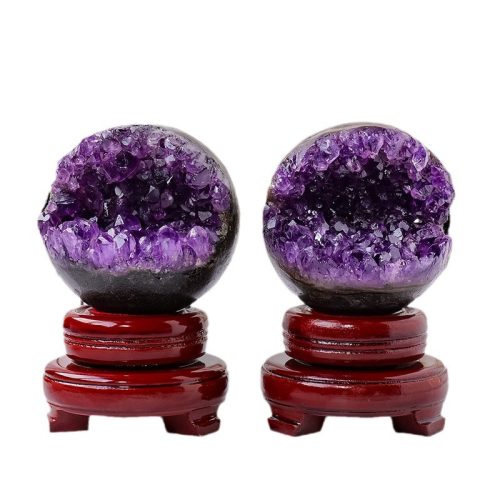
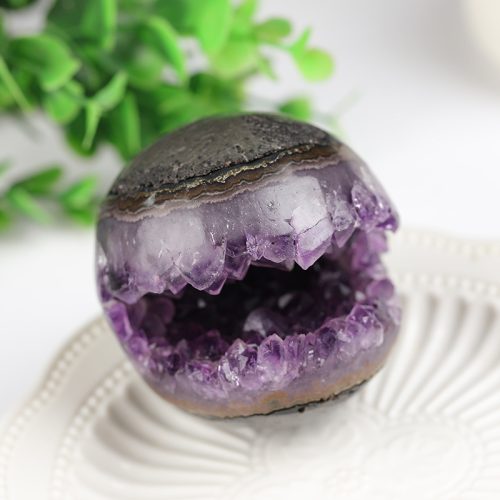
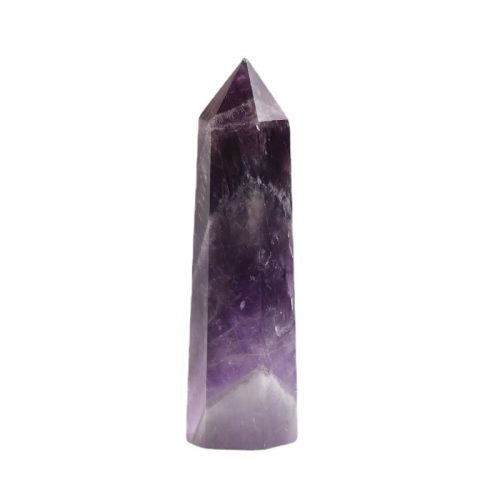
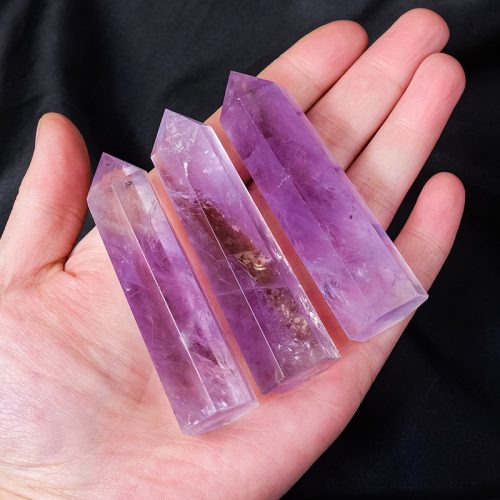
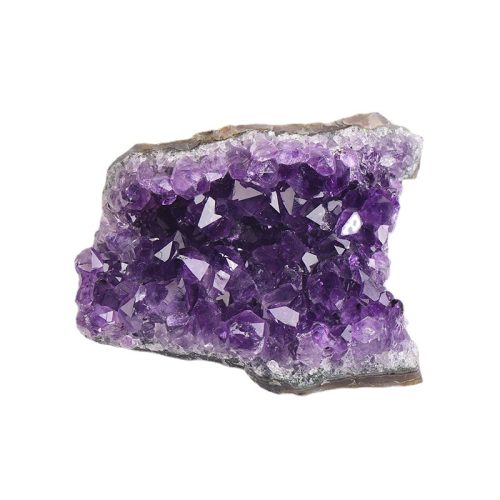
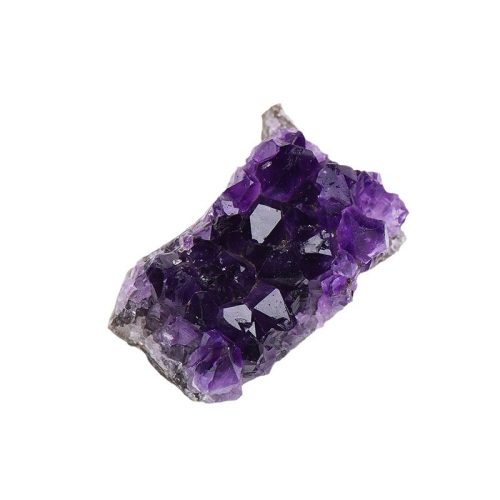
Amethyst is a variety of quartz that gets its violet-purple color from trace amounts of iron impurities within the stone. The name "amethyst" comes from the Ancient Greek word "amethystos" which means "not intoxicated." This refers to an ancient belief that wearing amethyst protected one from drunkenness. Amethyst ranges in hue from pale lilac to deep reddish purple. The most prized variety is a deep purple color with red flashes when viewed from different angles. The largest deposits of amethyst are found in Brazil, but it is also mined in many other countries including Zambia, Mexico, Russia, Canada and the United States.

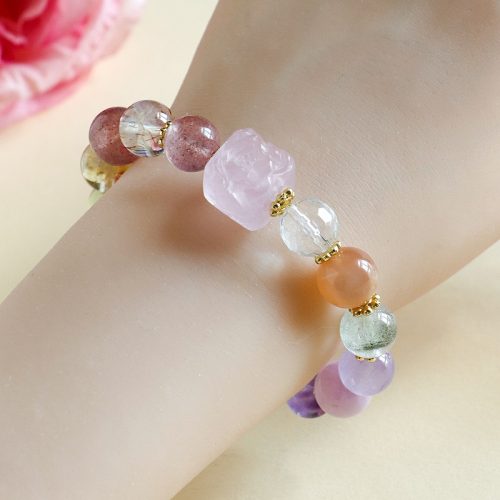
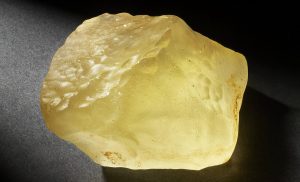
In contrast, ametrine is a bicolor variety of quartz containing both amethyst (purple) and citrine (yellow) zones within the same stone. Ametrine only formed due to a rare natural combination of factors involving temperature change and the presence of iron within a quartz deposit. As iron impurities within quartz are exposed to high temperatures, the quartz takes on a yellow or orange hue as a result of the oxidation of iron. This formed the citrine zones. Then as temperatures cooled again, the remaining iron impurities were not fully oxidized, creating violet amethyst zones.
The zones in ametrine can display dramatic color contrasts or gradual color gradation depending on location within the stone. The name "ametrine" is a combination of "amethyst" and "citrine." Unlike amethyst, natural ametrine only forms in one location – the Anahi mine in eastern Bolivia. For this reason, natural ametrine is far rarer than amethyst and commands higher prices per carat. Most commercial ametrine today is produced artificially through heat treatment of certain amethyst.
When it comes to metaphysical and healing properties, amethyst is associated with peace, calm and clarity of mind. It is thought to bring emotional stability and inner strength. Amethyst is also linked to boosting intuition and psychic abilities. Meanwhile, ametrine combines the properties of both its components. The amethyst provides Spiritual protection and cleansing as well as clearing negativity from the aura. The citrine influences optimism, creativity, personal power and prosperity. Ametrine is viewed as especially energizing and protective.
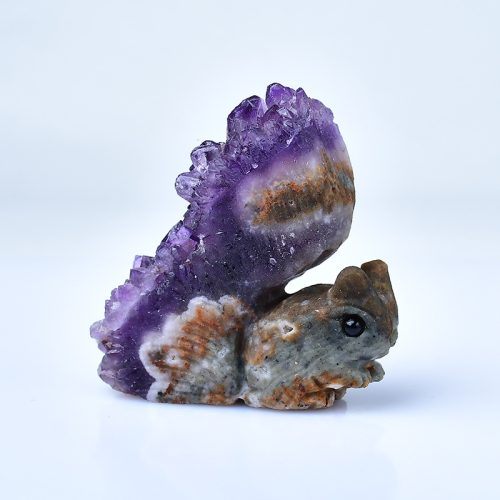
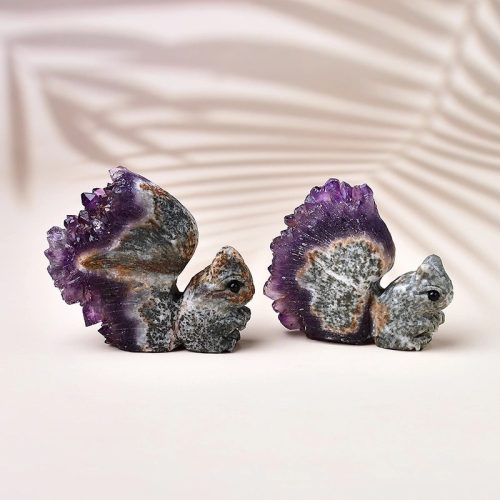

For jewelry purposes, amethyst tends to be the less expensive option since it is relatively abundant compared to ametrine. Amethyst can be obtained in many large carat sizes for statement pieces. Ametrine is usually cut into smaller stones since natural material is limited. Both stones work beautifully in jewelry designs from delicate pendants to bold cocktail rings. Amethyst and ametrine also make unique and affordable additions to any mineral collection.
So in summary, amethyst has a solid purple color caused by iron impurities while ametrine displays both purple and yellow banding in the same stone. Ametrine only comes from one mine in Bolivia while amethyst is found abundantly worldwide. Both are stunning quartz varieties that make fantastic jewelry, but ametrine is the rarer and more valuable of the two.