Garnet and ruby may look similar at first glance, but these two gemstones have some clear distinctions. Though both are red stones, they have unique properties, origins, and symbolism that set them apart. Here are the key differences between garnet and ruby.
Composition
Garnet and ruby have different chemical makeups giving them distinct crystal structures. Garnet is not just one mineral – it is actually a group of minerals with a similar cubic crystal structure. However, the garnets used in jewelry are generally one of these types: pyrope, almandine, andradite, grossularite, spessartine, or uvarovite. In contrast, ruby is a variety of the mineral corundum, which is composed of aluminum oxide.
While garnets are softer measuring between 6.5 to 7.5 on the Mohs scale of hardness, ruby is one of the hardest minerals at 9 on the Mohs scale second only to diamond. The harder composition of ruby makes it more scratch resistant and durable for jewelry.



Color
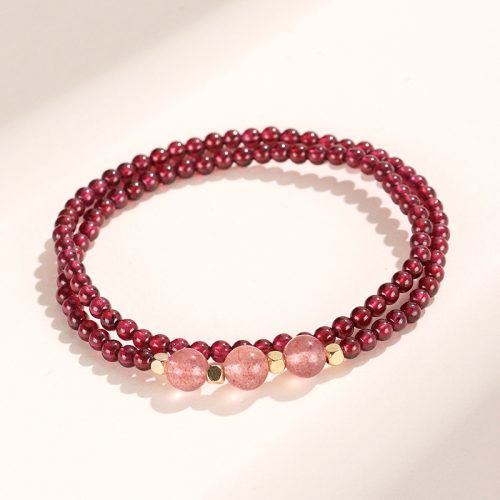
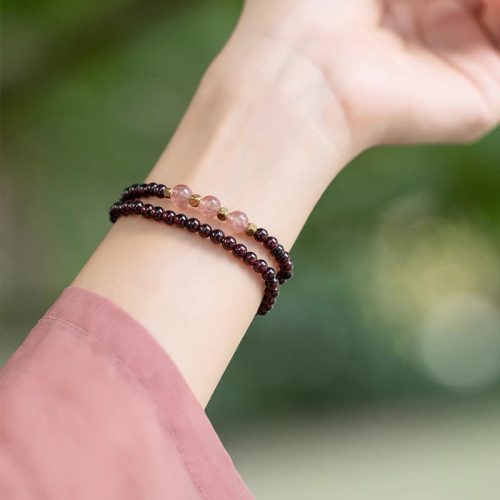
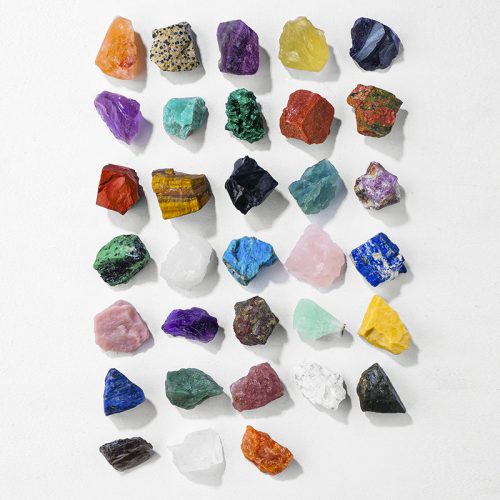
The color difference between garnet and ruby is one of their most obvious distinctions. Garnet comes in every color except blue. However, the most common and widely recognized garnet hue is a deep red – leading many to confuse it with ruby. While garnet red can range from pinkish orange to purplish red, the red of ruby derives from trace amounts of chromium and is defined by its vivid pinkish red to slightly purplish red color. The saturation and brightness of color is also usually greater in ruby.
Inclusions
Examining the gemstones under magnification also reveals differences. Garnet typically has very few inclusions, so stones appear clean to the eye. Ruby, on the other hand, usually exhibits "silk," rutile needles, color banding, and other mineral crystal inclusions that are visible under magnification. The presence of these identifying ruby inclusions along with its renowned red color make ruby much more valuable than even the best quality garnets.
Sources
While garnets can be found on every continent, the largest sources for jewelry garnets are in Africa, India, and the United States. Ruby, in contrast, has extremely limited sources. For over a century, Myanmar has been the world's primary source for ruby. More recently, rubies have also been found in Mozambique and Greenland, but Myanmar stones remain the most coveted. The scarcity of ruby mines adds to the gem's value.
Symbolism
In terms of symbolism, ruby and garnet have some overlap but also differing associations. As red stones, both are connected with passion, vitality, and energy. However, ruby's vivid red is particularly emblematic of love and romance. Ruby is also linked to nobility, power, and authority. Garnet has a wider array of folklore and symbolic meaning beyond love and passion. In early times, garnets were believed to provide guidance in night travel. Garnets also symbolize commitment, strength, and endurance.
So, garnet and ruby share similarities especially in color but have unique differences in composition, inclusions, sources, and meaning that distinguish the two gems. Understanding their distinct properties helps appreciate why ruby commands a much higher value and allure among gemstones.