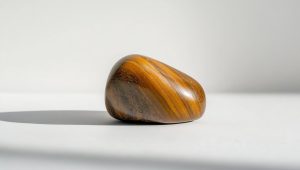
Purple crystals have long been prized for their beauty and mystical properties. Here are 10 of the most popular purple crystals, along with tips for identifying them, their purported benefits, and practical uses.
1. Amethyst

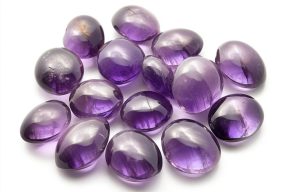
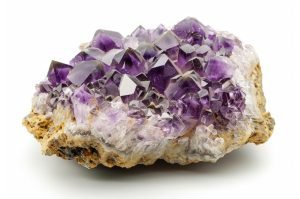
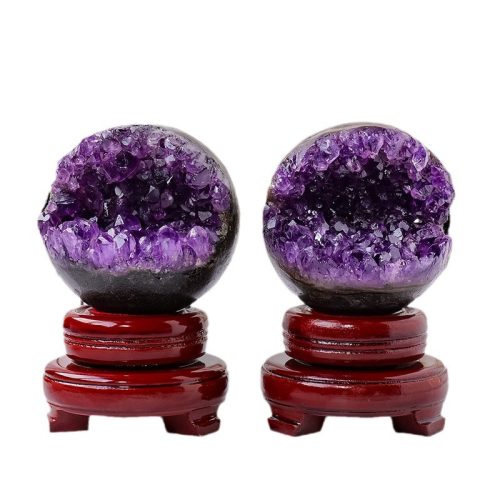
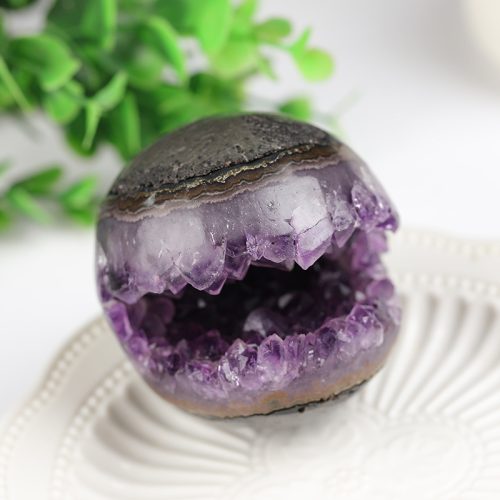
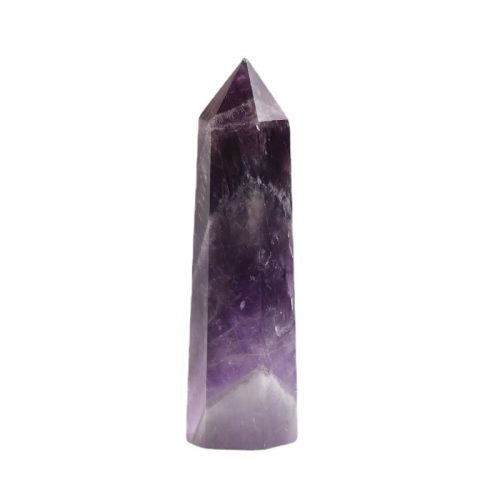
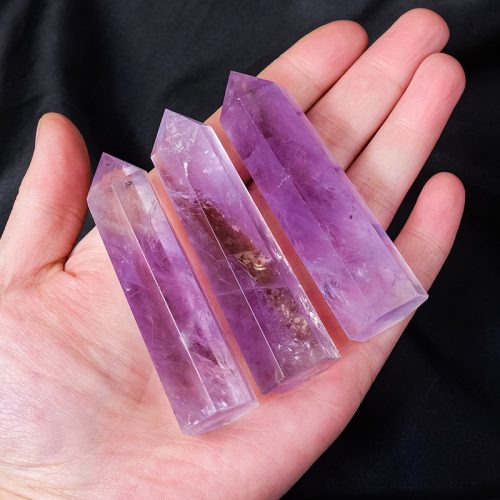
Amethyst is one of the most recognizable purple crystals. It ranges from light lavender to deep violet. Amethyst is a variety of quartz, so it has the same hexagonal crystalline structure. It's identified by its signature purple color, which is caused by trace amounts of iron.
Amethyst is said to bring peace, balance, and emotional stability. It's traditionally used as a protective and purifying stone. Placed in your home, amethyst can ward off negative energy. Worn as jewelry, it provides a sense of calm and tranquility. Amethyst also promotes intuition and enhances meditation.
Today, amethyst is used commercially in high-end jewelry. It's also used for laser technology, including lasers found in tattoo removal and hair removal devices. Amethyst gems serve as scintillators or radiation detectors in energy applications.

2. Purple Fluorite

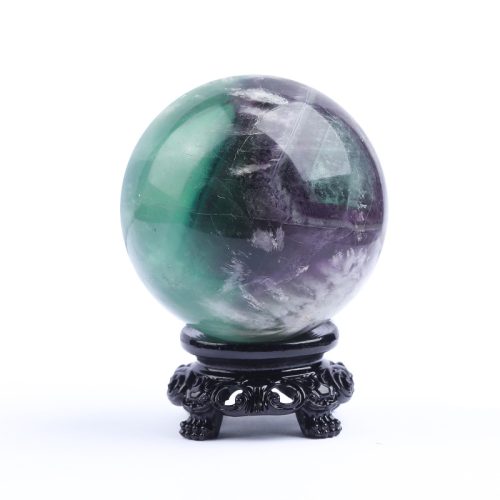
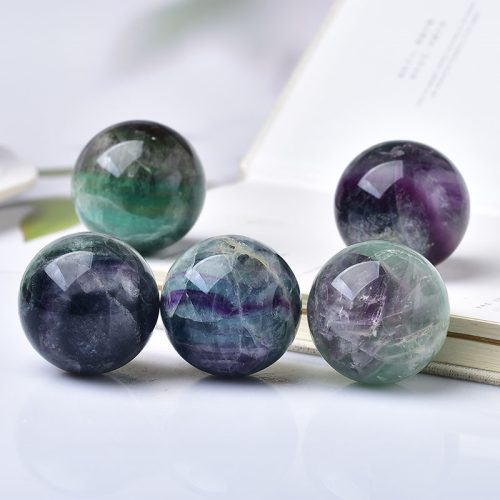
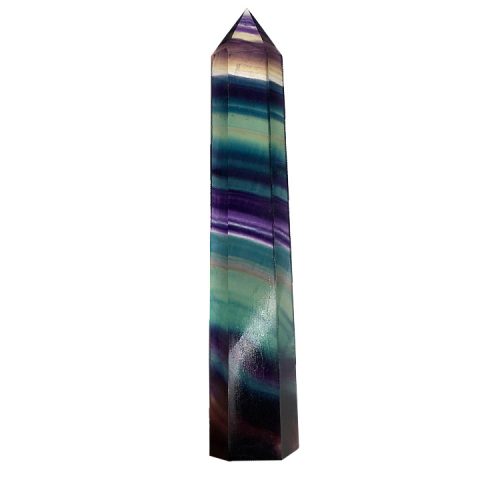
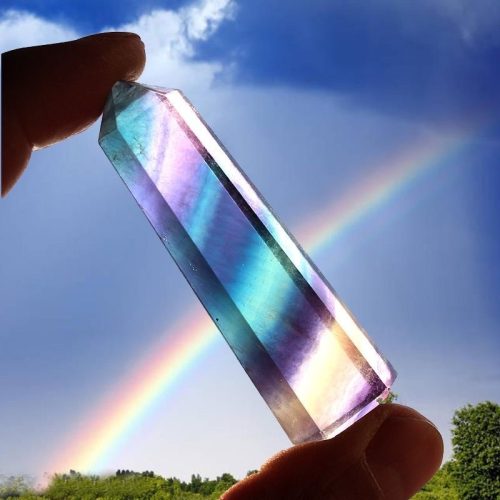
Fluorite comes in a wide array of purple hues, from light lilac to deep grape. Purple fluorite exhibits the classic cubic formation that identifies all fluorite crystals. It also demonstrates perfect cleavage along the four sides of the cube. Hardness and specific gravity tests can help distinguish it from amethyst.
Purple fluorite is thought to enhance intuition, concentration, and memory. It promotes order, structure, and objectivity. The stone has also been used for spiritual awakenings and promoting inner truth.
Fluorite has industrial applications related to its fluorescent and luminescent properties. It's used in spectroscopy, optics, and testing microwave components. The stone also aids in the processing of computer chips and other electronics.

3. Charoite

Charoite is a rare mineral only found along the Chara River in Siberia. It has a vivid purple color with swirls and bands of black, gray, and white. The stone has an unusual fibrous formation that appears almost porous. Charoite is relatively soft and has an uneven fracture.
Known as a Stone of Transformation, charoite provides inner strength during times of adversity. It's said to enhance self-esteem, accelerate spiritual growth, and provide insight into emotions. Many believe it can induce lucid dreaming and altered states.
While charoite has few industrial uses today, its striking color is valued in jewelry, carvings, and other ornamental objects. Charoite's purple luster makes it a unique, high-end gem.
4. Purple Spinel

Spinel occurs in many colors, including an intense violet to reddish-purple. Purple spinel is highly reflective and essentially looks like a violet mirror when polished. The stone has an octahedral crystal system and a smooth, conchoidal fracture. It's harder than other purple gems like amethyst.
Purple spinel stone meaning relates to alleviating stress and creating energetic balance. It brings peace and calms the mind, making it helpful for meditation. Purple spinel is also said to inspire new ideas and heighten intuition.
Natural purple spinel is exceptionally rare. Most purple spinel stones today are laboratory-irradiated blue spinel. The few natural gems that exist are valued at over $5,000 per carat. When available, jewelers use purple spinel in necklaces, rings, and bracelets.
5. Tanzanite

Tanzanite is a vivid violet to blue-violet stone that gem collectors covet. The hexagonal crystals are highly pleochroic, meaning they appear differently depending on viewing angle. Tanzanite rates 6.5-7 on the Mohs hardness scale.
Mined exclusively in Tanzania, tanzanite is believed to foster compassion, calm, and spiritual wisdom. It aids in communication, intuition, and achieving trance states. Tanzanite can enhance meditation through its vibration-raising effects.
This rare gem is treasured for jewelry. After diamond, ruby, and sapphire, tanzanite is one of the most popular engagement ring stones. Its stunning indigo color provides a unique alternative to blue sapphire.
6. Purple Agate

Purple agate has layers of white, gray, black, and purple running through it. Its signature banded structure identifies it as a type of agate. Silica replaces cavities in the stone, creating the colorful stratified appearance. Hardness tests help distinguish agate from similar-looking amethyst.
Known as a stabilizing and strengthening stone, purple agate is popular among healers. It's said to calm nerves, enhance intellect, stimulate memory, and make emotions more harmonious. Purple agate brings tranquility during meditation.
Agate has long served as a decorative stone used for carving figures, jewelry, and ornamental objects. Today it's also crushed and used for fillers, abrasives, soil treatments, and filtration media. The banded chalcedony creates a striking natural art material.
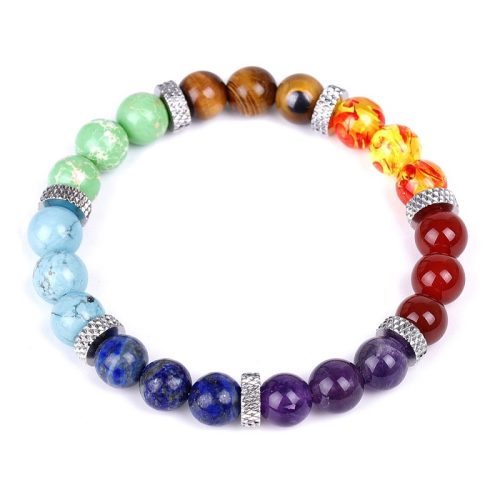
7. Kunzite

Pale purple kunzite ranges from lilac to light violet. While chemically and structurally similar to pink kunzite, these purple stones exhibit different properties. Kunzite crystals have a vertical prismatic habit. The stone is identifiable by its strong pleochroism and high dispersion.
Kunzite purifies emotions and fosters loving energy. It dissolves negativity and deflects jealousy. The stone provides mental clarity while enhancing creativity and self-expression. Kunzite is also said to ease addictions and destructive behavioral patterns.
This genteel purple gemstone is used in high-end jewelry, particularly rings, necklaces, and earrings. Kunzite looks beautiful in gold and silver settings. It also enhances the purple color palette in artisan crafts and minerals collections.
8. Purpurite

Purpurite is a rare mineral that forms vivid purple orthorhombic crystals. It's essentially manganese phosphate but also contains iron and zinc. Purpurite rates 5-6 on the Mohs scale. The stone's weak cleavage and vitreous to adamantine luster distinguish it.
Sometimes called the Stone of Insight, purpurite brings mental clarity and perceptiveness. It can clear energy blockages and allow life force energy to flow freely throughout the body. Purpurite also represents dignity, independence, and courage.
While purpurite itself is not used commercially, manganese phosphate serves as a powerful oxidizing agent. It's utilized in dry cell batteries, matches, fireworks, and other incendiary devices. The mineral also has applications in pigments, fertilizer, and glazes.
9. Lepidolite

Lepidolite is a purple mineral in the mica group. It contains traces of lithium that produce its identifying lavender to lilac color. The stone has a micaceous structure and perfect basal cleavage. It has a vitreous luster and is relatively soft.
This calming stone reduces anxiety, stress, and depression. Lepidolite dissipates negativity and helps one see reasons for hope. It also facilitates spiritual ascension and connection to the divine realm. Lepidolite aids concentration and memory retention.
The primary use of lepidolite is as a lithium ore. The lithium is extracted and used for rechargeable batteries, glass, ceramics, and medicines. In its natural state, lepidolite is crafted into ornamental objects and used as an accent in stone work or mineral collections.
10. Sugilite

Sugilite is a rare potassium sodium iron silicate mineral. Its distinctive lavender color results from manganese. Sugilite has a waxy to vitreous luster. The stone is quite soft and fractures easily along cleavage planes.
Nicknamed the Healer's Stone, sugilite boosts meditation and channels spiritual light. It's said to counter anger, hostility, prejudice, and grief. This stone brings forgiveness, hope, and emotional balance. Sugilite can help integrate mind, body, and spirit.
Sugilite loves purple! Use it to decorate your crystal grids, spiritual altars, or metaphysical healing spaces. While not as hard as other popular gems, sugilite can be fashioned into highly ornamental jewelry. It makes beautiful one-of-a-kind carvings.
The purple crystals described here span the light purple to deep violet color spectrum. While different in chemical composition and structure, they share common metaphysical properties of spiritual connection, intuition, inner strength, and emotional healing. Each has unique crystalline markings and formations that set it apart from other purple-hued minerals. Whether you're a collector, healer, or jewelry maker, these 10 purple crystals offer outstanding opportunities to harness beauty and mystical energy.